The Big Story
Singapore's 5.0% year has arrived.
The Monetary Authority's survey of economists has lifted the full-year growth forecast to 5.0% — and the ceiling now sits at 5.5%. An AI-fuelled manufacturing supercycle, a liquidity wave not seen in three years, and a string of sovereign-grade policy moves are converging on the Lion City at once. This is the issue that explains, sector by sector, why the world's capital keeps choosing Singapore.

The Index Board
September 2026Cover Story
The quarter the Lion City out-ran the region
Five forces — chips, capital, credit, currency and confidence — are pulling in the same direction. Our desk reads the September tape so you don't have to.
Analysis · Macroeconomics
A forecast raised, a ceiling lifted, and an economy compounding on every axis
When the Monetary Authority of Singapore released its latest Survey of Professional Forecasters, one number did the talking: full-year growth for 2026 was revised up to 5.0%, with the top of the range now reaching 5.5%. For an open economy that trades nearly three times its GDP, a half-point upgrade is not a rounding error — it is a verdict. The second quarter had already printed 5.7% year-on-year, powered by a demand wave few saw coming at this intensity: artificial intelligence.
The engine room is unmistakable. July manufacturing output rose 6.8%, but the composition matters more than the headline. Electronics grew 11.2% as global AI capital expenditure poured into semiconductors and the hardware that keeps data centres humming. Precision engineering — the quiet workshops that machine the tools that make the chips — surged 17.7%. August's purchasing managers' index of 51.5 marked thirteen consecutive months of expansion, the kind of streak that turns a good year into a structural one.
Singapore has settled into the role of the region's brain and heart: decisions, design and capital on the island; scale across the peninsula and the archipelago.
The Ledger Desk · Sector StrategyMultinationals have codified the arrangement. The emerging Southeast Asian playbook — headquarters in Singapore, production in Malaysia and Indonesia — has hardened into strategy rather than experiment. The island is absorbing senior management, core R&D and regional treasury functions at a pace that shows up in office rents, in the exodus of talent from older financial centres, and in the government's own revenue line: tax receipts climbed 9.4% to S$97.3 billion in FY2025, the fifth consecutive annual increase.
Money, meanwhile, is getting cheaper exactly as confidence is getting richer. Global rates have settled near 1.20%, a three-year low, and the repricing is flowing through every asset class Singaporeans own — from S-REITs suddenly able to refinance without flinching, to the Strait Times Index, where DBS equity strategists lifted their end-2026 target to 4,880 points on the back of earnings upgrades and a regulatory reform agenda. The S$5 billion Equity Development Programme is quietly deepening liquidity in mid-caps, and the incoming SGX–Nasdaq dual-listing bridge is already drawing growth companies that once skipped the city entirely.
None of this is accidental. The Refundable Investment Credit — Singapore's answer to the global minimum tax — converts policy into near-cash for companies building low-carbon plants, digital infrastructure and AI capability on the island. TÜV SÜD is deploying S$30 million into a new decarbonisation centre; Universal Quantum chose Singapore for its first R&D base outside Europe with another S$30 million; Enterprise Singapore opened a Boston outpost to shepherd local firms into the American East Coast. Add the strongest Singdollar in ten months and you have the rarest of configurations: an economy growing fast, prudently, and on purpose.
GDP +5.7% Q2
Electronics +11.2%
Precision eng. +17.7%
PMI 51.5
Tax S$97.3b
STI target 4,880
Sector Explorer
Six engines, one island
Every pillar of the economy is firing this quarter. The desk's six briefings, laid out in full — read them straight through.
Engine 01 · The Supercycle
The factory floor is compounding again — and it's not the old factory
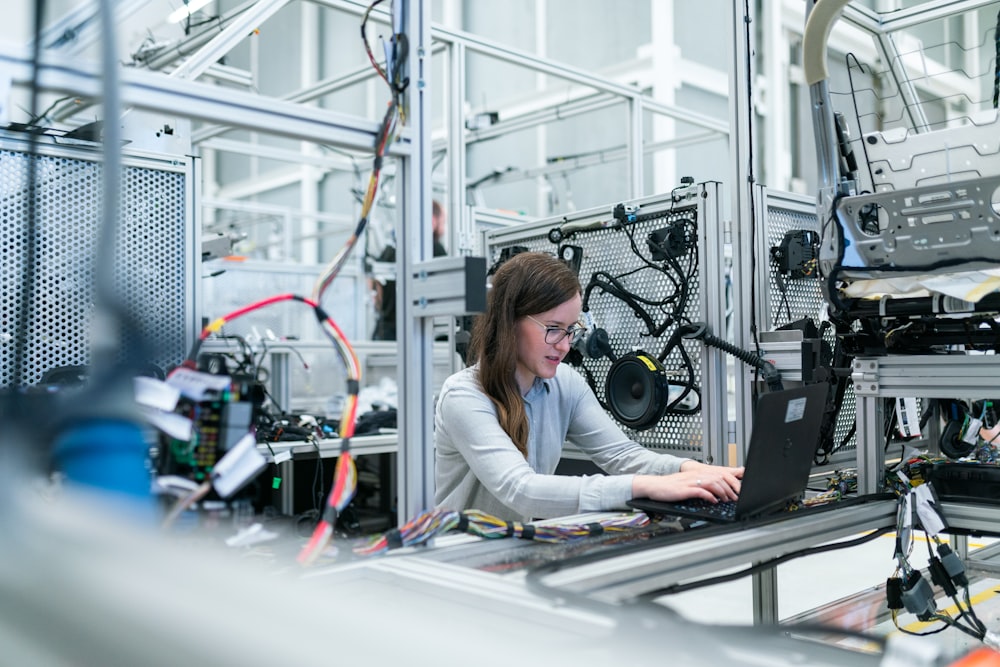
Thirteen straight months of expansion have turned Singapore's manufacturing complex into the region's benchmark. July output rose 6.8% year-on-year, but beneath the headline, the mix has rotated decisively toward what the world is short of: semiconductors, optical equipment and the precision tooling that builds both.
The deeper story is the "brain-and-heart" division of labour. As multinationals anchor HQ, R&D and engineering judgement on the island while scaling production across Malaysia and Indonesia, Singapore captures the highest-value layer of every product made in Southeast Asia. That is why a 51.5 PMI here echoes across three economies — and why precision engineering's 17.7% leap matters more than any single month's electronics number.
51.5PMI · Aug
+6.8%Output · Jul YoY
+17.7%Precision eng.
Engine 02 · Liquidity & Reform
Cheap money meets a market being rebuilt for growth
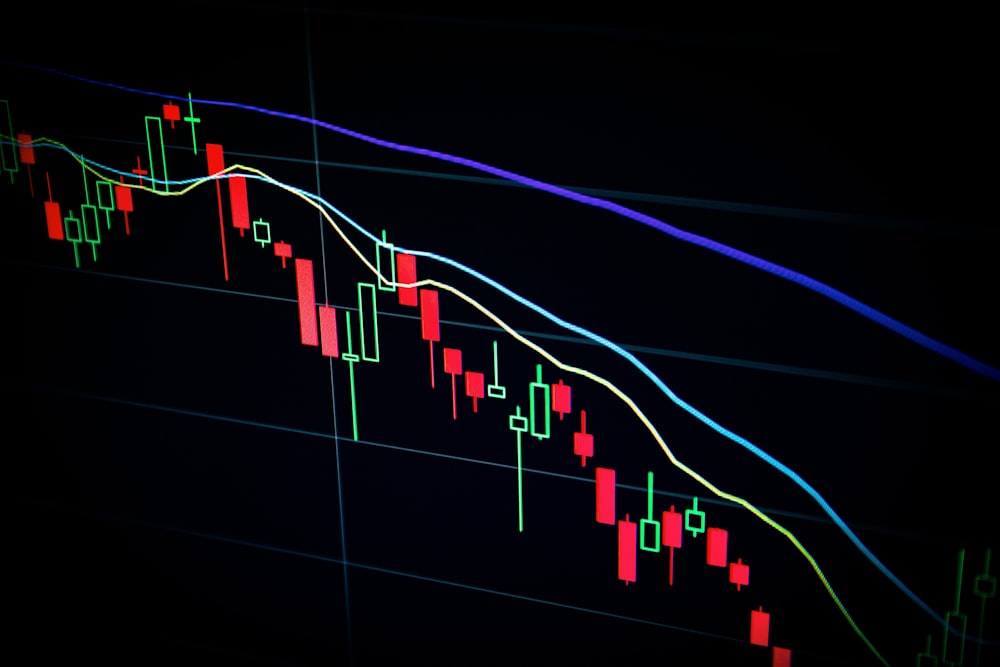
With global rates at a three-year low of 1.20%, the cost-of-capital arithmetic has flipped in favour of Singapore assets. S-REITs — the crowd favourite of local wealth — regain their refinancing headroom, while brokers re-rate the banks whose balance sheets funded the boom.
DBS strategists now see the Straits Times Index at 4,880 by end-2026, an upgrade built on earnings momentum and a reform agenda that finally treats the exchange as national infrastructure. The S$5 billion Equity Development Programme is lifting liquidity in the mid-caps where Singaporeans actually own businesses, and the SGX–Nasdaq dual-listing bridge is converting the bourse from a backwater into a gateway. The three local banks — DBS, OCBC, UOB — added a chapter of their own: the first live transactions of tokenised deposits, moving blockchain from whitepaper to settlement.
4,880STI target
1.20%Global rates
S$5bEQDP
Engine 03 · The Balanced Market
A cooling curve that ends in balance — buyers first, for once
For the first time since the pandemic, buyers hold negotiating power. A wave of HDB flats reaching their minimum occupation period has unlocked fresh supply into the private resale pipeline, cooling the frenzy without breaking the market — precisely the "healthy balance" policymakers spent years engineering.
The prime end tells its own story. Core Central Region prices advanced 2.0% quarter-on-quarter, the fastest in the city, as wealth migrating from older centres chased scarce land in District 9, 10 and 11. Retail is the quiet winner: with tourist spending recovering hard and future shop supply running thin, landlords in Orchard and the waterfront are entering 2026 with the strongest rent momentum in a decade. For owners, the curve is gentle; for enterers, the window is open.
+2.0%CCR · QoQ
MOPSupply wave
RetailRents firming

Engine 04 · The Port Advantage
Eight minutes, not eight days: trade paperwork enters the digital age
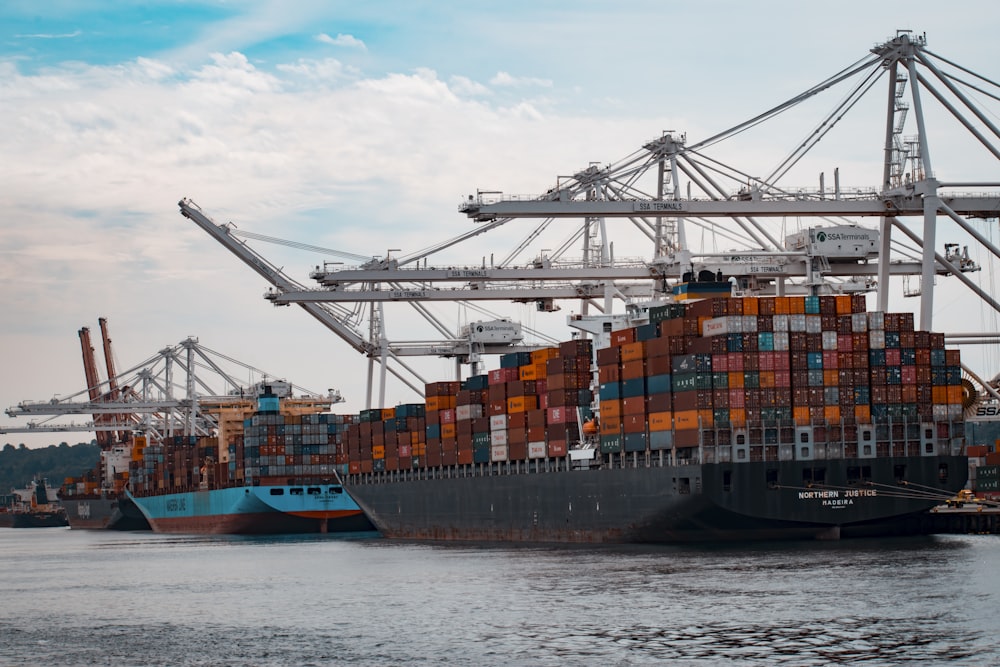
The most consequential logistics upgrade of the year barely required concrete. The "TradeTrust" digital bill-of-lading corridor — pushed jointly with Beijing — has cut cross-border document circulation from days to eight minutes, and the categories it covers keep widening. For a trading nation whose port handles more transhipment tonnage than almost anywhere on earth, that is a structural cost advantage compounding weekly.
Downstream, customs authorities are piloting "inspect once, recognised everywhere" clearance for battery and EV cargo, while data-export rules loosen across nine sectors including trade and medtech. The direction is unmistakable: Singapore is digitising friction out of the region's supply chains — and charging for the privilege of sitting at the centre of them.
8 minBill of lading
9Sectors data-open
1×Inspect, mutual recognise
Engine 05 · The Compute Play
The AI trade is a geography trade — and Singapore owns the map
Every dollar the world spends on artificial intelligence eventually touches this island: the chips designed and tested here, the data centres cooling along Tuas, the regional HQs routing capital through Raffles Place. Semiconductor exports across the region doubled in the first eight months of the year, and Singapore's electronics complex grew 11.2% in July feeding that same hunger.
The policy scaffolding is unusually complete. The Refundable Investment Credit effectively refunds qualifying AI, digital and low-carbon buildouts — a rare instrument that turns the global minimum tax from a threat into a recruiting tool. Universal Quantum's S$30 million R&D centre and TÜV SÜD's S$30 million decarbonisation facility are the first named arrivals of this regime; expect the manifest to lengthen. For a city of six million, hosting the region's compute, certification and quantum research is not a niche — it is the next port business.
+11.2%Electronics · Jul
S$60m2 new R&D centres
RCTCCash-back credit

Engine 06 · The Safe Harbour
The Singdollar's quiet decade of becoming the region's vault
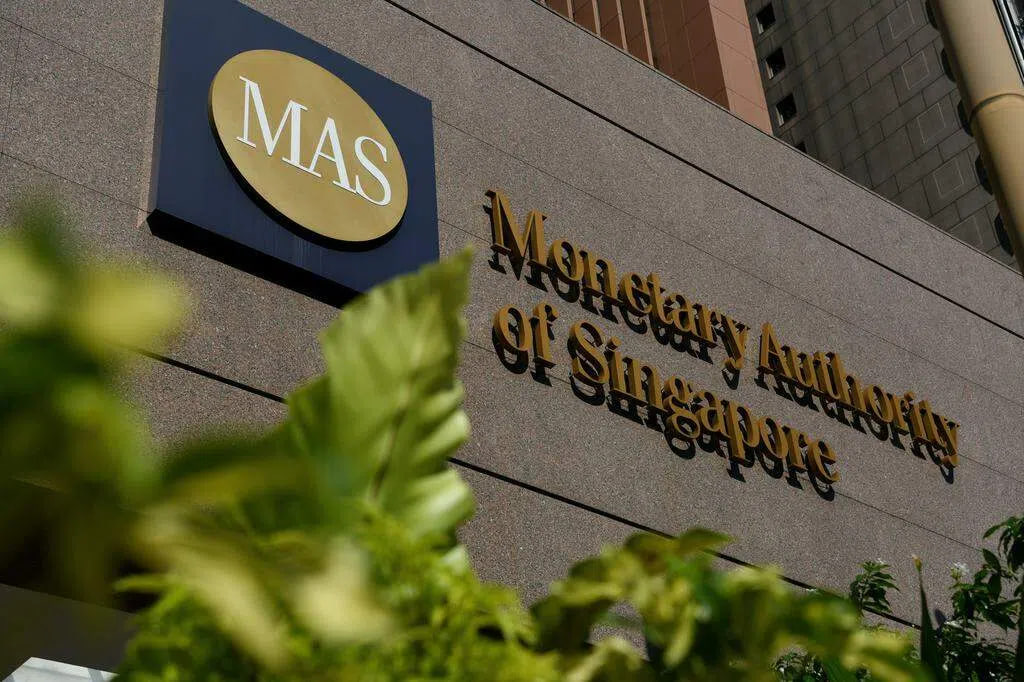
When geopolitics rattles the neighbourhood, capital does what it has learned to do: it crosses the Causeway and the Straits and stops in Singapore. The ringgit's slide against the Singdollar — now at a ten-month high for the local currency — is the latest chapter in a long appreciation of the "safe harbour" trade that underpins private banking, family offices and trust structures here.
The institutional plumbing keeps deepening. The three banks' tokenised-deposit breakthrough points to settlement infrastructure that could make Singapore the place where digital-money rails meet old-money custody. Cross-border service corridors — from CBAM carbon accounting to cross-asset valuation advice — are being built by the same firms that guide family capital. For wealthy Singaporeans, the question is no longer whether wealth belongs here; it is which engine it should ride this quarter.
10-moSGD high vs MYR
TokenisedDeposits live
17Service-innovation zones
Capital Currents
S$20 billion walked through the door this quarter — and it is still coming
Special Report · Wealth Flows
The vault effect: why the world's anxious money keeps choosing the Lion City
The number arrived without ceremony, buried in second-quarter earnings disclosures: S$20 billion of net new money — in a single quarter — across DBS, OCBC and UOB. No marketing campaign produced it. No tax gimmick bought it. It is simply what happens when the world's wealth looks around for somewhere calm, well-governed and boring in the best sense of the word, and keeps arriving at the same answer.
The cumulative effect is staggering. Singapore's asset management industry now stewards S$6.7 trillion, and has posted double-digit annual growth for three consecutive years. To put that in perspective: the Republic manages, on behalf of the world, a sum larger than the annual output of Japan — on an island of six million people. Behind the headline figure sits a quieter revolution in who the money belongs to. The AI boom has minted a new class of wealthy founders, partners and operators across the region, and they are professionalising their fortunes faster than any cohort before them.
That is why fund managers are expanding rather than merely defending. Firms such as UG Investment Advisers are actively fundraising around Singapore's asset management ecosystem, betting that the pipeline of new Asian wealth — technology money, family-business transitions, regional executives cashing out of listed champions — will keep demanding onshore structures, private credit access and estate planning for decades. The confidence is not abstract: it shows up in headcount, in new office leases in the financial district, and in the willingness of global private banks to fly in senior relationship teams from Zurich and Hong Kong.
Twenty billion in a quarter is not a trend. It is a verdict on twenty years of institutional design.
The Capital Desk · Flows & StructuresListed Corporate Singapore, for its part, has started buying itself back. Singapore Exchange data shows more than 70 mainboard companies repurchased S$2.09 billion of their own shares in the first eight months of 2026 — a 33% surge on the same period last year. Singtel alone accounts for roughly S$950 million of it, an extraordinary statement of intent from a company long dismissed as a sleepy utility. When executives spend nearly a billion dollars of their own balance sheet, they are not making a gesture; they are pricing their future cash flows above the market's scepticism.
The result is a market that no longer apologises for itself. DBS Research has lifted its end-2026 target for the Straits Times Index to 5,850 points, and now sees 6,110 within twelve months on rising earnings and re-rating bank valuations. JPMorgan's bull case, audaciously, points at 7,000. Underneath the targets sits the machinery this issue has already documented: the S$5 billion Equity Development Programme deepening mid-cap liquidity, the SGX–Nasdaq bridge pulling in growth issuers, and a regulatory posture that treats the exchange as national infrastructure rather than a precaution.
For wealthy Singaporean households, the configuration is almost paradoxical: their city is simultaneously the region's safe deposit box and one of its fastest-compounding equity markets. Capital that arrives seeking shelter finds itself inside an economy growing 5% or more. The flows and the fundamentals are no longer separate stories — they are the same story, compounding together.
Net new money Q2 S$20b
AUM S$6.7t
Buybacks S$2.09b · +33%
Singtel S$950m
STI 12-mo view 6,110
The ladder every broker is now climbing
STI targets on the tape · index points
Targets as published September 2026. Prior target reflects the earlier DBS end-2026 level before this month's upgrade.
Who is buying: the buyback wave
Mainboard repurchases · S$ billion, Jan–Aug
2025 base estimated from the reported 33% year-on-year increase; full figures per SGX monthly data.
The Data Desk
September in four charts
The numbers behind the narrative, drawn from this month's releases — GDP revisions, the PMI streak, the fiscal surplus engine and the equity-market target.
Growth keeps getting revised upward
Singapore real GDP growth · % YoY
Source framing: MAS Survey of Professional Forecasters, September 2026 revision. Bars scaled to chart space.
Thirteen months of factory expansion
Manufacturing PMI · monthly
Illustrative monthly path; endpoints reflect reported August reading of 51.5 and the 13-month expansion streak.
The fiscal engine behind the strategy
Tax revenue · S$ billion, FY2025
FY2025 receipts of S$97.3b (+9.4%) fund the EQDP and RCTC toolkit. Intermediate year shown as trend line.
Where the money turned cheap
Global policy rate level · %
Illustrative glide path; end point reflects reported 1.20% level, the lowest in more than three years.
The Goldilocks Ledger
High growth, cooling prices, and a S$53 billion construction boom
The combination economists spend careers searching for — 5% growth with inflation under 2% — has landed in Singapore, just as the biggest build programme in a decade gets under way.
Chapter 01 · The Soft Landing
Inflation folded, growth did not — the rarest of economic pirouettes
Central bankers elsewhere describe a "soft landing" as the aspiration of a lifetime. Singapore's September data suggests it has simply landed. The MAS Survey of Professional Forecasters cut its 2026 headline inflation forecast to 2.1% and MAS Core Inflation to 1.9% — while simultaneously raising the growth outlook. Prices are folding; the economy is not.
Households feel it first. The cost of the weekly shop, the utility bill, the hire-purchase on a car — the pressure on all of them is easing at precisely the moment wages are still compounding on a 5%-plus growth engine. Real incomes are expanding without the family budget expanding to match. For a country that spent 2022 and 2023 importing a global inflation shock through its open trade account, the reversal is both structural and sweet.
And the trade account itself is roaring. Domestic wholesale trade jumped 20.3% year-on-year last quarter, shaking off its long slump as the global supply network leaned harder on Singapore's re-export machinery. The MAS raised its full-year NODX forecast from 6.1% to 17% — a near-tripling of expectations in a single revision cycle — on the strength of AI-driven electronic hardware shipments, while manufacturing growth expectations were lifted from 5% to 8.4%. Exporters are not merely meeting demand; they are being pulled forward by it.
1.9%Core inflation '26f
2.1%Headline '26f
+17%NODX '26f · was 6.1%

Chapter 02 · The Skyline Ledger
S$53 billion of building demand and a landmark changing hands
Look past the cranes along the coast and the numbers underneath are historic. Buoyed by major infrastructure packages and a fresh wave of multinational plant construction, construction demand is now expected to reach S$53 billion for the full year — a workload that ripples through every steel supplier, precast yard and engineering consultancy on the island. It is, quietly, one of the largest peacetime building programmes in the Republic's history.
Institutional money has noticed what the skyline is trying to say. Scotts Square — the Orchard Road landmark — is transacting at S$310 million, with the incoming owner planning a comprehensive upgrade of the asset. A deal like this is less about one tower than about conviction: global institutions are underwriting the long-term value of Singapore's prime commercial core at today's prices, in cash, before the cycle has even properly repriced it.
The corporate layer is just as revealing. UMC, the Taiwanese foundry giant, is progressively bringing its multi-billion-dollar Singapore fab online — real capacity, real cleanrooms, real payrolls — a vote of confidence paid in concrete and silicon at a moment when the industry is openly debating overcapacity elsewhere. Changi, meanwhile, will add the first direct North Africa link in its history: a Cairo–Singapore–Sydney routing arriving in 2027, stitching the airport's web across a fourth continent. And on the government side, the new BizSG platform has begun deploying agentic AI to guide SMEs through grants and cross-border expansion — bureaucracy, personalised by machines.
Put the chapters together and the picture is coherent: an economy cooling its prices while heating its real activity, building its factories while filling its planes, and absorbing the world's capital while upgrading the ground it stands on. Goldilocks, it turns out, was a Singaporean all along.
S$53bConstruction demand '26
S$310mScotts Square deal
2027Cairo–SG–Sydney link
Chapter 03 · The feel of it
What a soft landing actually tastes like on the ground
Macro numbers can feel abstract until they are translated into a Saturday. Core inflation at 1.9% means the kopitiam set meal has stopped outrunning the payslip. A 17% export forecast means the precision-tooling technician in Tuas is being asked, again, whether he knows anyone who wants a job. A S$53 billion construction ledger means the quantity surveyor's phone rings before she has finished returning yesterday's calls.
Wealth households read the same data through a different window. A 5%-growth, sub-2%-inflation economy is the environment in which fixed deposits quietly stop looking clever and equities start looking obvious; in which a Scotts Square purchase at S$310 million reads not as a splurge but as a hedge; in which family-office professionals spend less time defending wealth and more time deploying it. The MAS's own economists — the most sober forecasters in the building — signed off on both halves of the story in the same report.
There are, as ever, clouds worth naming: a global debate about AI overcapacity, tariff politics that can turn on a headline, and a world where capital that arrives quickly can, someday, leave the same way. But the September tape shows an economy that has priced in the clouds and grown anyway. Rarely has "resilient" felt less like a press-release word and more like a weather report.
+20.3%Wholesale trade
+8.4%Mfg growth '26f
BizSGAgentic AI for SMEs
Daily Briefings
Deal flow & policy radar
Nine dispatches from this month's tape — the investments, launches and rule-changes moving Singapore's economy right now.
Investment
TÜV SÜD commits S$30m to a new decarbonisation centre
The German testing giant deepens Singapore's claim as the region's green-technology verification hub — every certified tonne saved in Asia now has a Raffles-quay address.
2 min readSep 2026
Deep Tech
Universal Quantum picks Singapore for first R&D base outside Europe
Another S$30 million lands on the island, aimed at growing the local quantum ecosystem — a field where Singapore now hosts research talent at European density.
3 min readSep 2026
Banking
DBS, OCBC and UOB settle first live tokenised deposits
The three local banks completed real-time tokenised-deposit transactions — the clearest signal yet that Singapore's money rails are converging with blockchain settlement.
4 min readSep 2026
Capital Markets
SGX–Nasdaq bridge draws growth issuers to the EQDP lane
With S$5 billion of Equity Development Programme capital deepening mid-cap liquidity, the dual-listing pathway is converting the exchange into a regional growth gateway.
3 min readSep 2026
SME
BizSG goes live: one door for every government scheme
The new official platform consolidates grants, advisory and applications into a single storefront — a quiet but material productivity gift to every local SME.
2 min readSep 2026
Enterprise
EnterpriseSG opens the Boston gateway for deep-tech scale-ups
Five government-backed deep-tech startups touched down on the US East Coast as the new overseas centre opened — Singapore's beachhead into American institutional capital.
3 min readSep 2026
Infrastructure
Singtel and Gulf Development to lay a new subsea cable system
The strategic partnership hardens Singapore's position as the terminus of Asia-Pacific digital traffic — bandwidth is the new berthing capacity.
3 min readSep 2026
Tax & Policy
RCTC turns the global minimum tax into a Singapore advantage
The Refundable Investment Credit functions like a near-cash rebate for AI, digital and low-carbon buildouts — Pillar Two compliance, weaponised for investment attraction.
5 min readSep 2026
Long Reads
For the unhurried reader
Three deep dives for the weekend — open any brief and it expands in place.
Walk the corridors of any multinational's regional office today and you will hear the same sentence: decisions in Singapore, factories elsewhere. It sounds simple. It is in fact the endgame of a twenty-year strategy to make this island the place where Asia's industrial judgement lives — the capital allocation, the engineering standards, the treasury, the risk book.
The economics follow the judgement. When the highest-paid decision-makers cluster, the suppliers of their attention cluster too: law firms, certification bodies, design houses, tax structurers. That is why a 5.7% GDP print coexists with office towers at near-full occupancy, and why precision engineering — the trade of making the machines that make the machines — can grow 17.7% while headline assembly migrates across the strait.
The risk, of course, is concentration. But September's tape suggests the model is entering a self-reinforcing phase: RCTC credits pull in the next generation of advanced manufacturing, EQDP capital deepens the local equity culture that funds it, and the Boston centre exports the whole stack to the American market. The brain, it turns out, also has a growth plan.
For a decade, the Straits Times Index was the boring relative at the Asian family table — stable, bank-heavy, unloved by growth investors. This month DBS strategists raised their end-2026 target to 4,880, and the reasoning is less about a bull market than about a rebuilt market.
Three reforms are doing the lifting. The S$5 billion Equity Development Programme injects standing liquidity into small and mid-caps, narrowing the discounts that drove issuers away. The SGX–Nasdaq dual-listing bridge lets a company raise in New York while keeping its Singapore home intact. And a regulatory posture that once measured success by absence of scandal now measures it by arrival of issuers.
Layer on a 1.20% global rate floor — cheap money flows to yield and to reform stories alike — and the re-rating acquires a second engine. For Singaporean households whose wealth is disproportionately in property, the functioning of their own exchange is becoming the diversification story of the decade.
The bill of lading is the oldest paperwork in commerce — a document that must physically exist, be couriered, stamped and trusted, before cargo changes hands. The TradeTrust corridor, developed with Beijing and scaled this month to more categories, collapses that ritual to eight minutes of cryptographic certainty.
Multiply eight minutes across millions of documents and the savings stop being anecdotal: shorter trade cycles, less trapped working capital, fewer disputes over originals. Singapore's play is to be the jurisdiction whose digital trade documents are the ones everyone else recognises — the same arbitrage the port itself has run with physical cargo for a century.
Add mutual recognition of customs inspections for battery and EV freight, and city-wide data-export permissions across nine sectors, and the pattern completes: Singapore is standardising trust itself, and trust, as every trader knows, is the highest-margin commodity there is.
The Reader's Desk
Where would you deploy capital this quarter?
The Ledger's September reader survey — one tap, instant consensus. Results update against this morning's reader panel.